 INTER
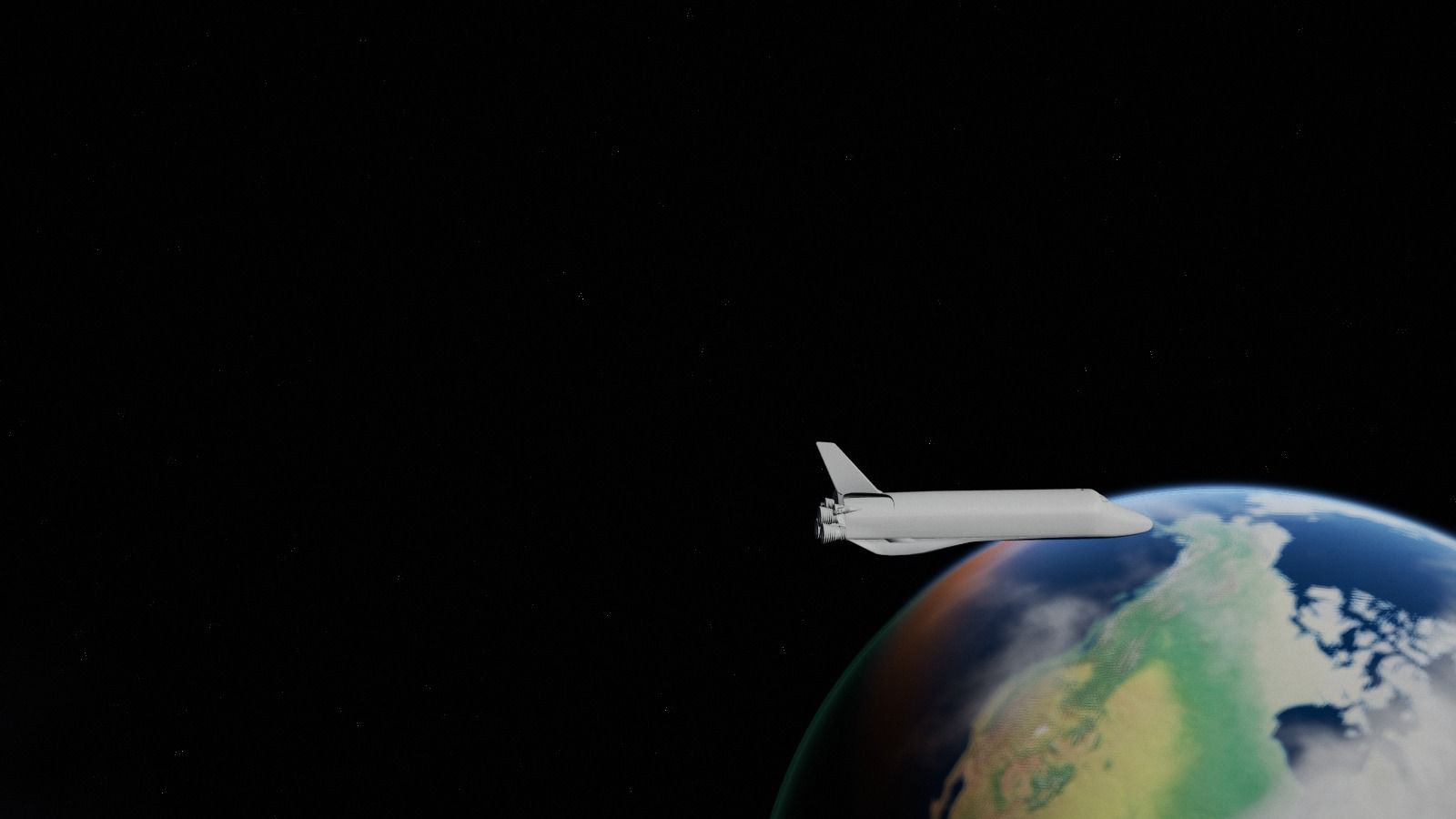
A famous spacecraft
A machine you already know — the Saturn V, the Space Shuttle, the Apollo lunar module, Webb — and the moment it was pushed to its limit.
Famous spacecraft · one engineering question · answered
The most famous machines ever flown into space — and the one engineering question each of them still raises. Real 3D, real agency film, the original documents.
16–20 minute films · in English and German
The ring that joins two rocket stages. It holds them together through the hardest minutes of the climb — then it has to let go, cleanly, at exactly the right second. That moment, where the engineering has to work, is where every one of our films takes place.
The formula / 01–04
No space news, no “NASA confirmed”. One machine, one question, one day that really happened — answered from the paperwork.
A machine you already know — the Saturn V, the Space Shuttle, the Apollo lunar module, Webb — and the moment it was pushed to its limit.
Not “the history of”. One engineering question you can answer in a sentence — and we do, before the credits.
Every film opens on a day that happened: the date, the altitude, the crew or the control room, in the present tense.
Mission reports, inquiry boards, design reviews and the crews' own accounts. Quoted — never invented.
The series / four kinds of film
Most films are investigations. Every few weeks, one of the other three — chosen by the story, not the calendar.
One spacecraft, one bad day, one question: the answer up front — then proven part by part.
EXAMPLEWhy NASA's Ares I rocket only flew once
Where are they now? The hardware nobody asks about — in museums, on the Moon, still in orbit.
EXAMPLEWhere are all the Apollo lunar modules now?
Two machines built for the same job — and why they came out so different.
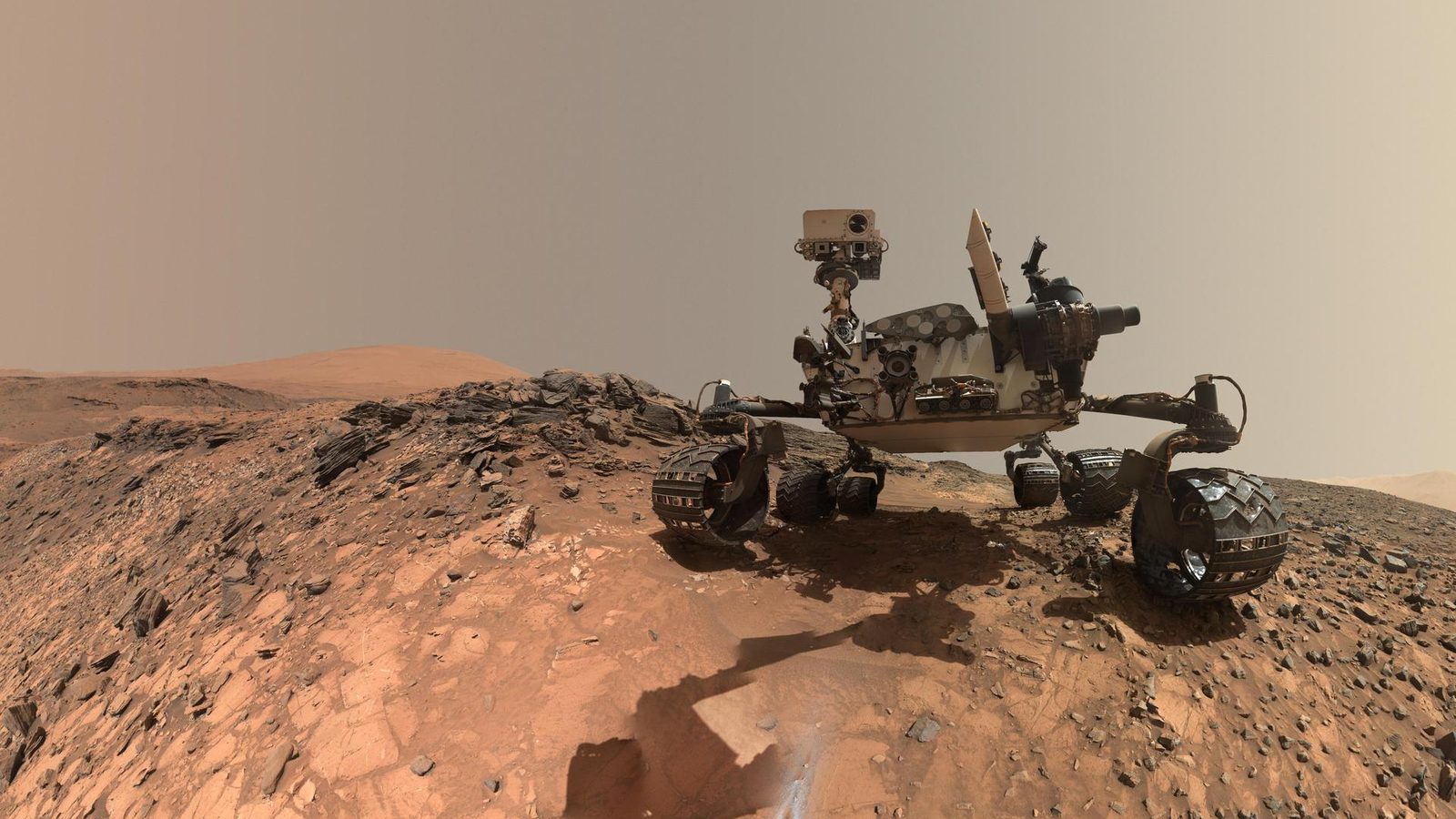
EXAMPLEWhy Curiosity and Perseverance look almost identical — but aren't
One machine's whole life, start to finish. Fewer words — the 3D and the film carry it.
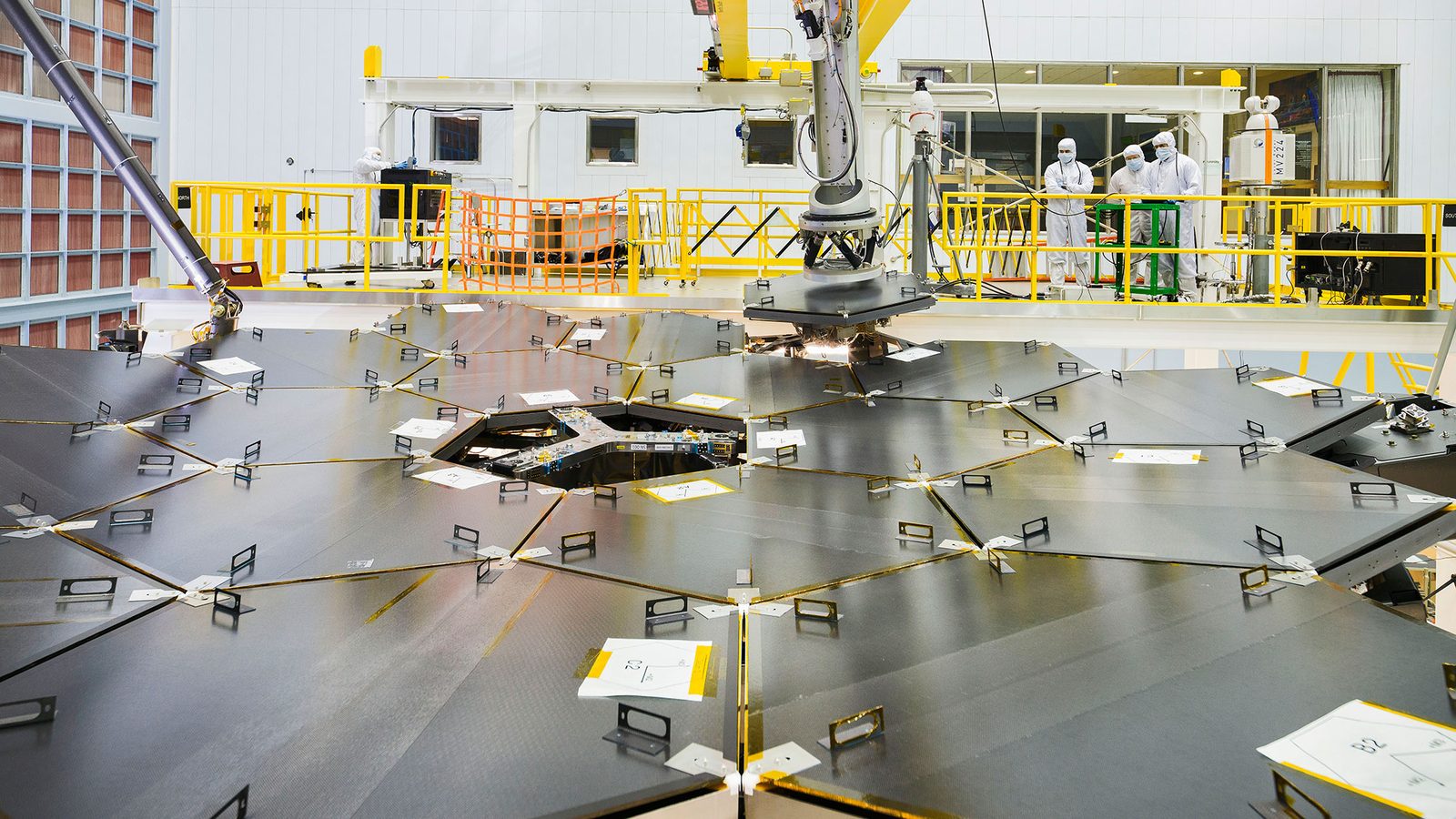
EXAMPLEJames Webb: the telescope that almost never launched
Film 01 · in production
 Coming first
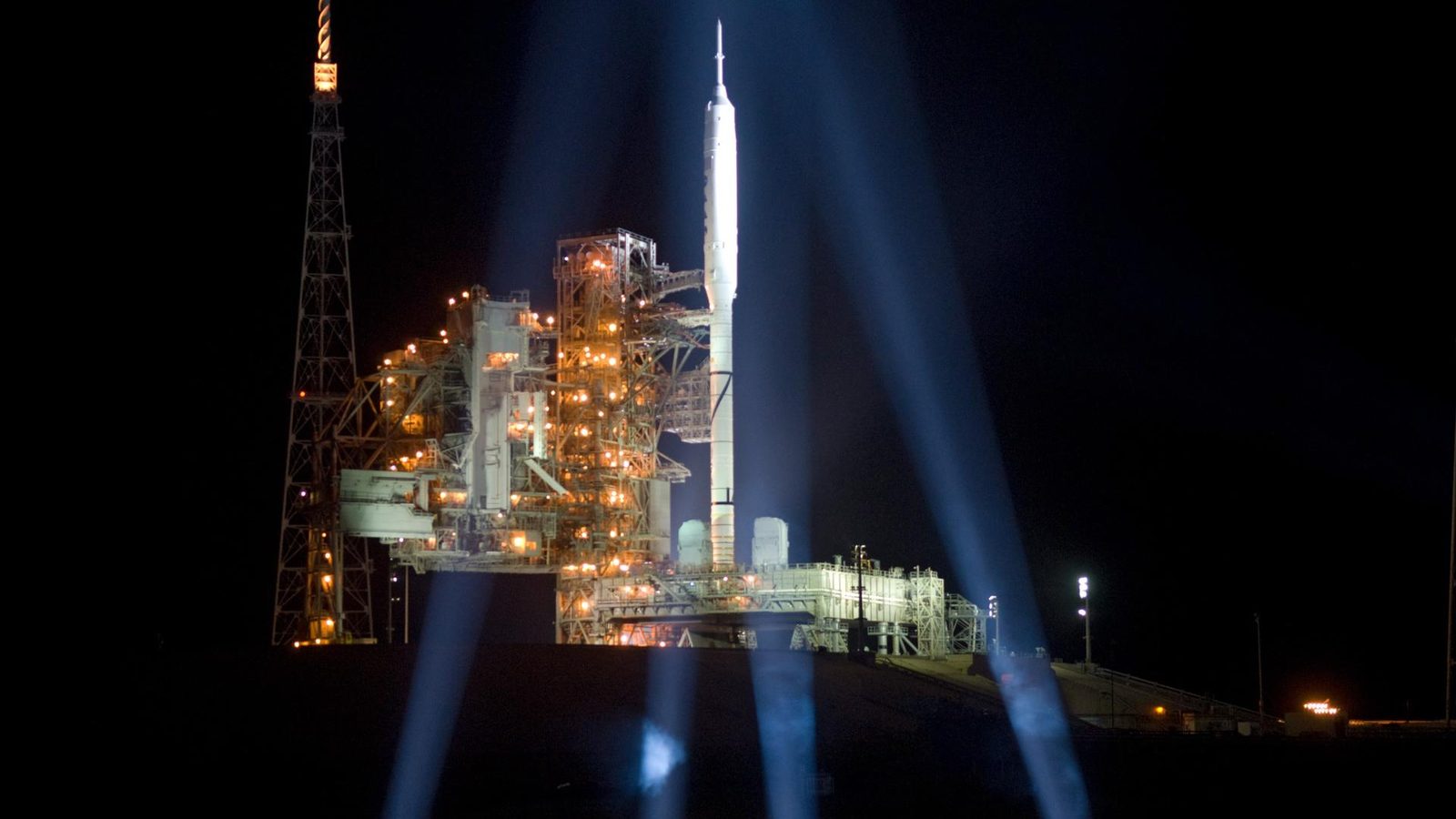
PHOTO: NASA
Ares I-X · 28 October 2009
October 28, 2009. Ares I-X lifts off from Launch Complex 39B at the Kennedy Space Center — the first rocket other than the Space Shuttle to fly from that pad since the Apollo era. It is the only flight the Ares I will ever make.
Was it the rocket, the money or the plan around it? From NASA's own reviews and the independent committee's report — the answer in one sentence, then the evidence.
How it's made / four layers
Cinema-grade 3D where no camera could go, real film where one already went, and the document itself where the numbers live.
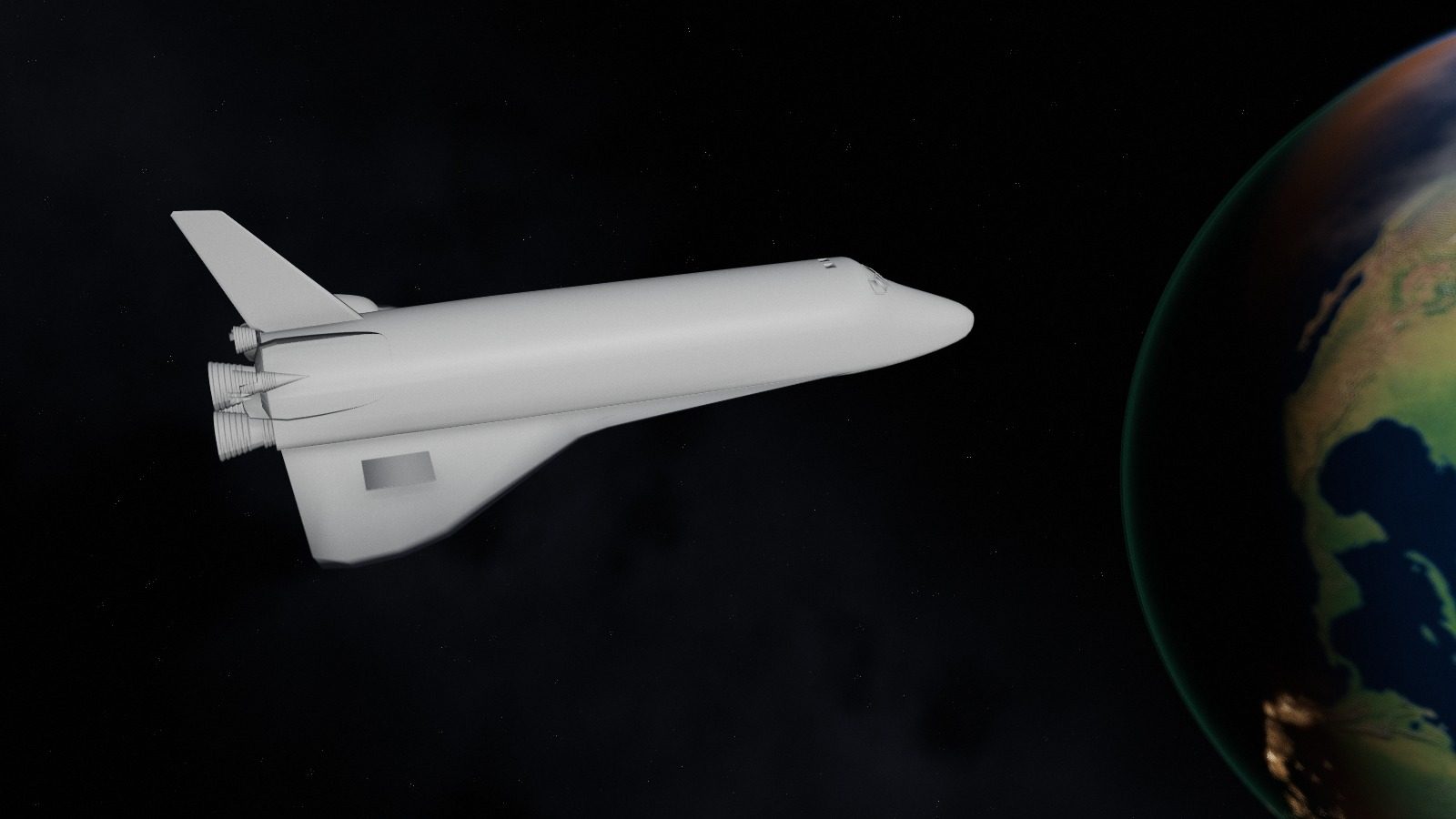
NASA's own models of the real spacecraft, flown over the Earth's limb, at the Moon or on their own plume — and opened up to show the one part that decided the day.
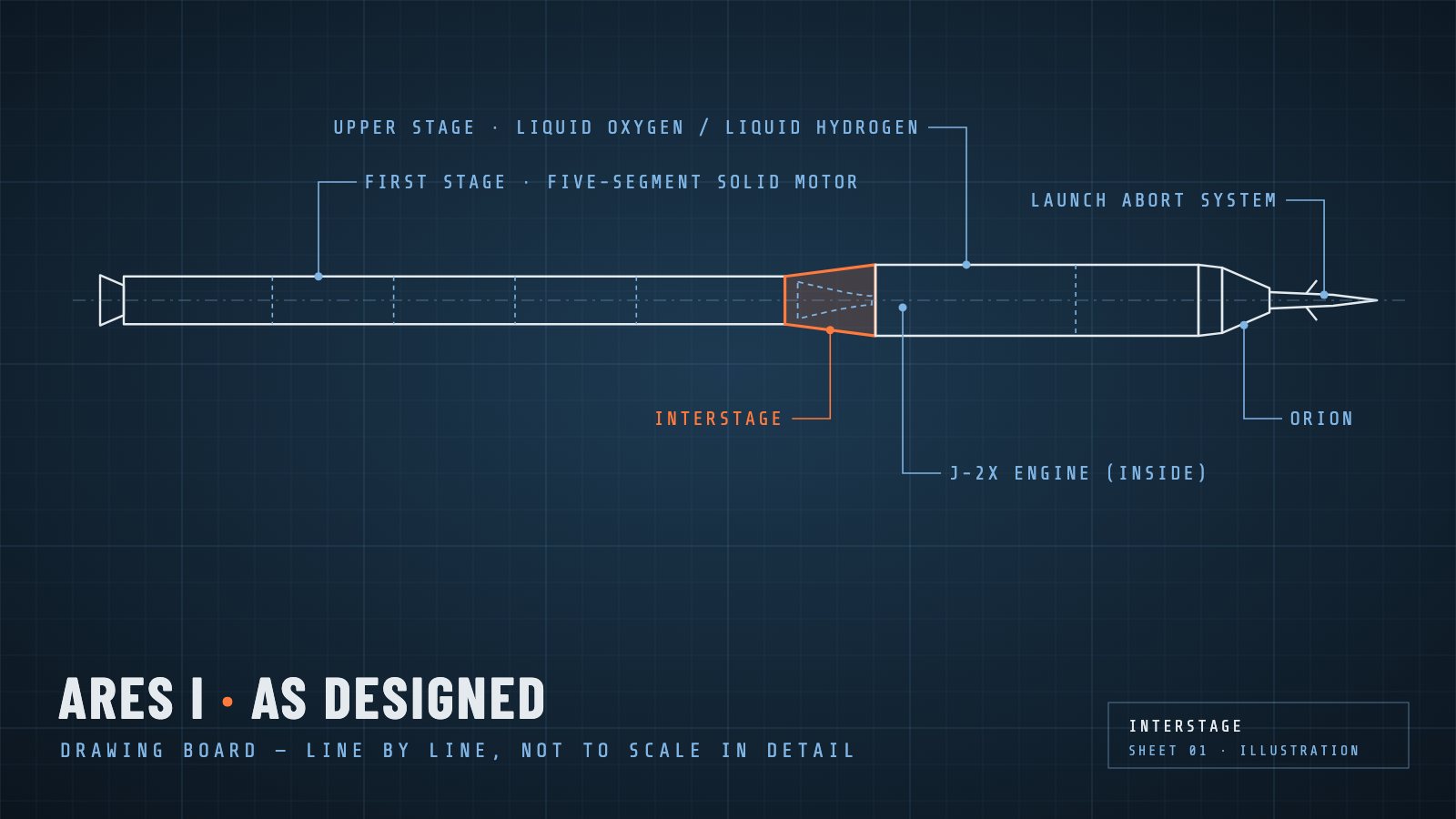
Orbits, engine cycles and heat flows, drawn line by line — the way an engineer would sketch them.
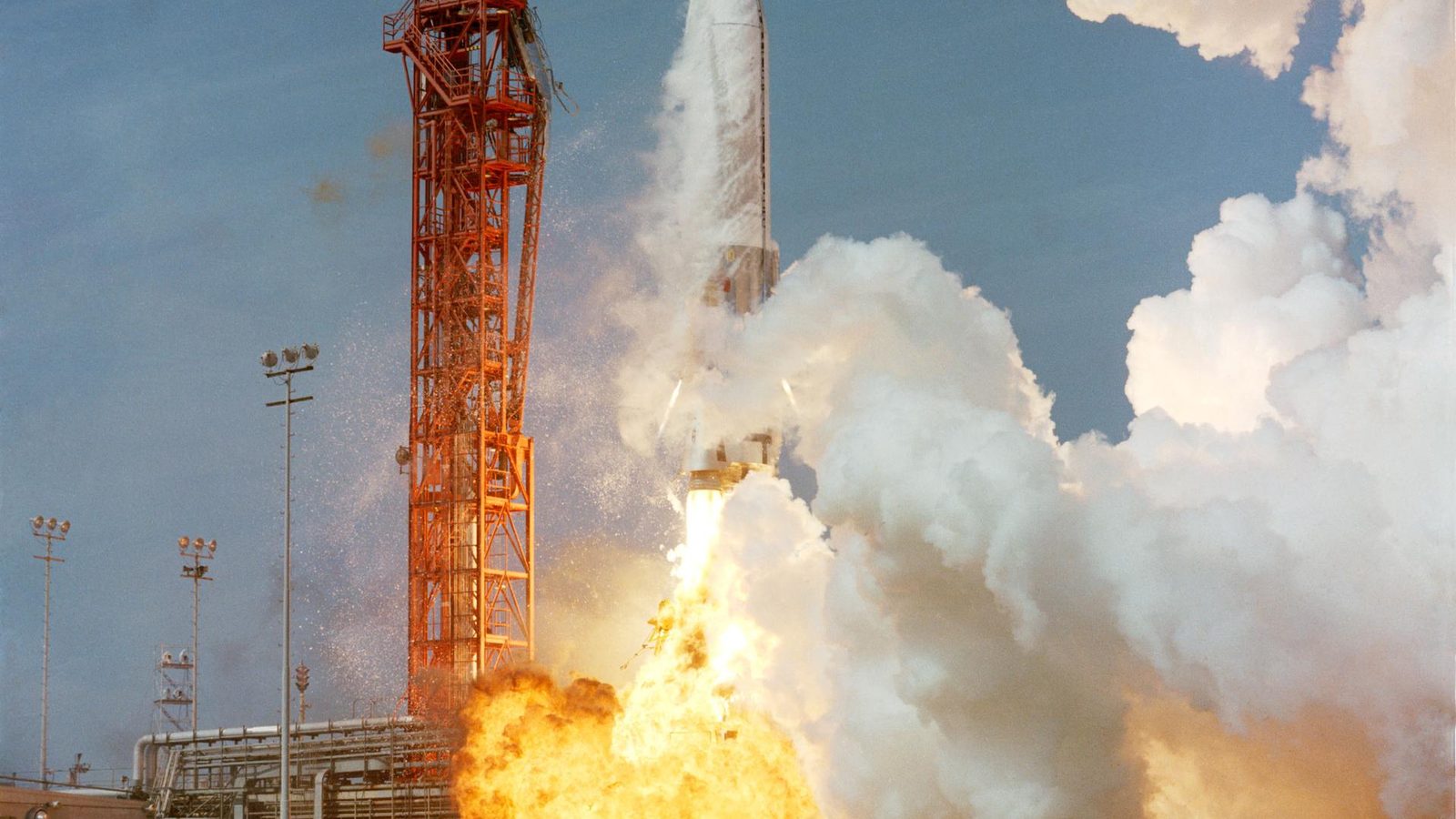
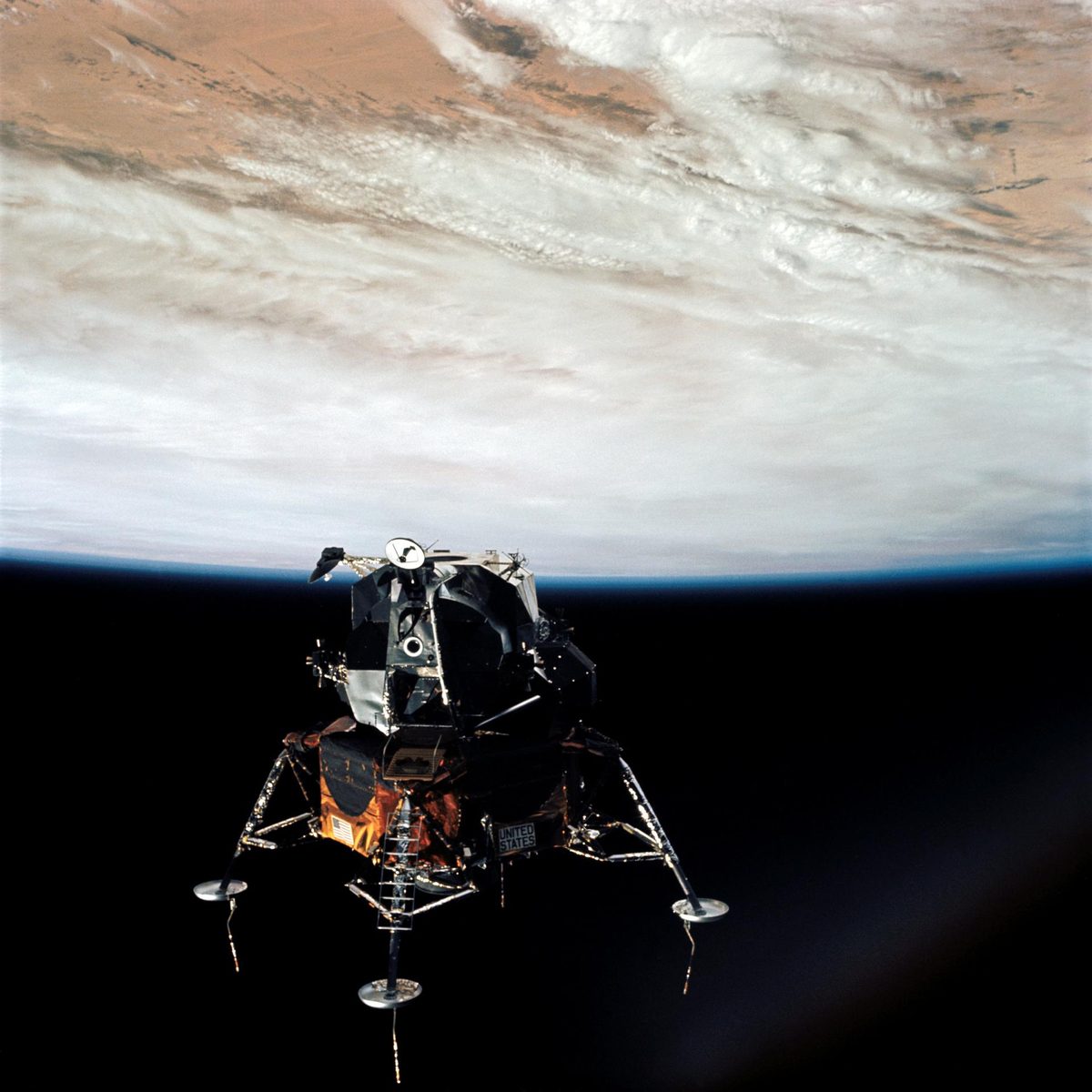
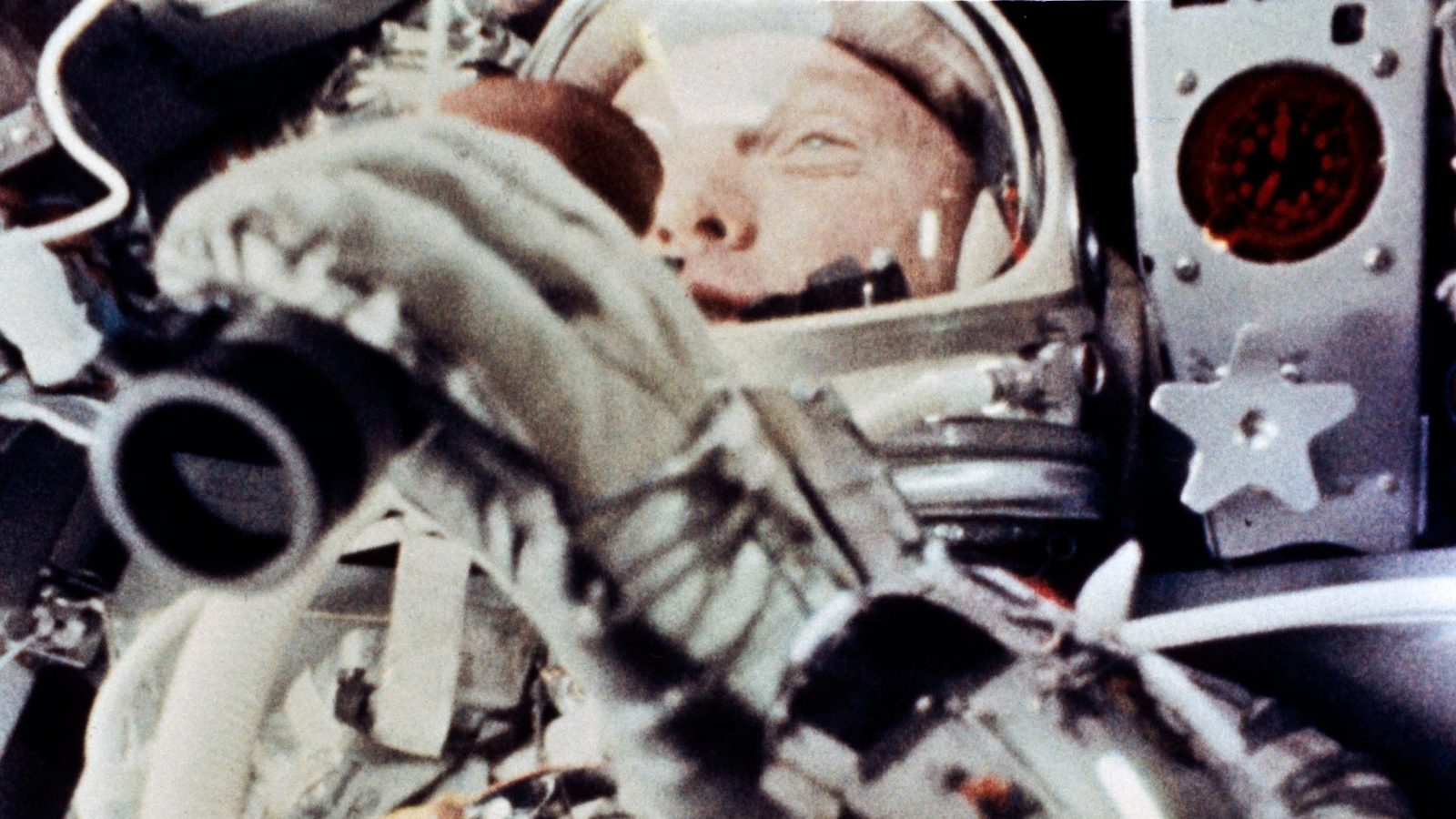
About a third of every film is real footage and photographs from NASA, ESA and other agencies — most of it public domain. The day, as it was.
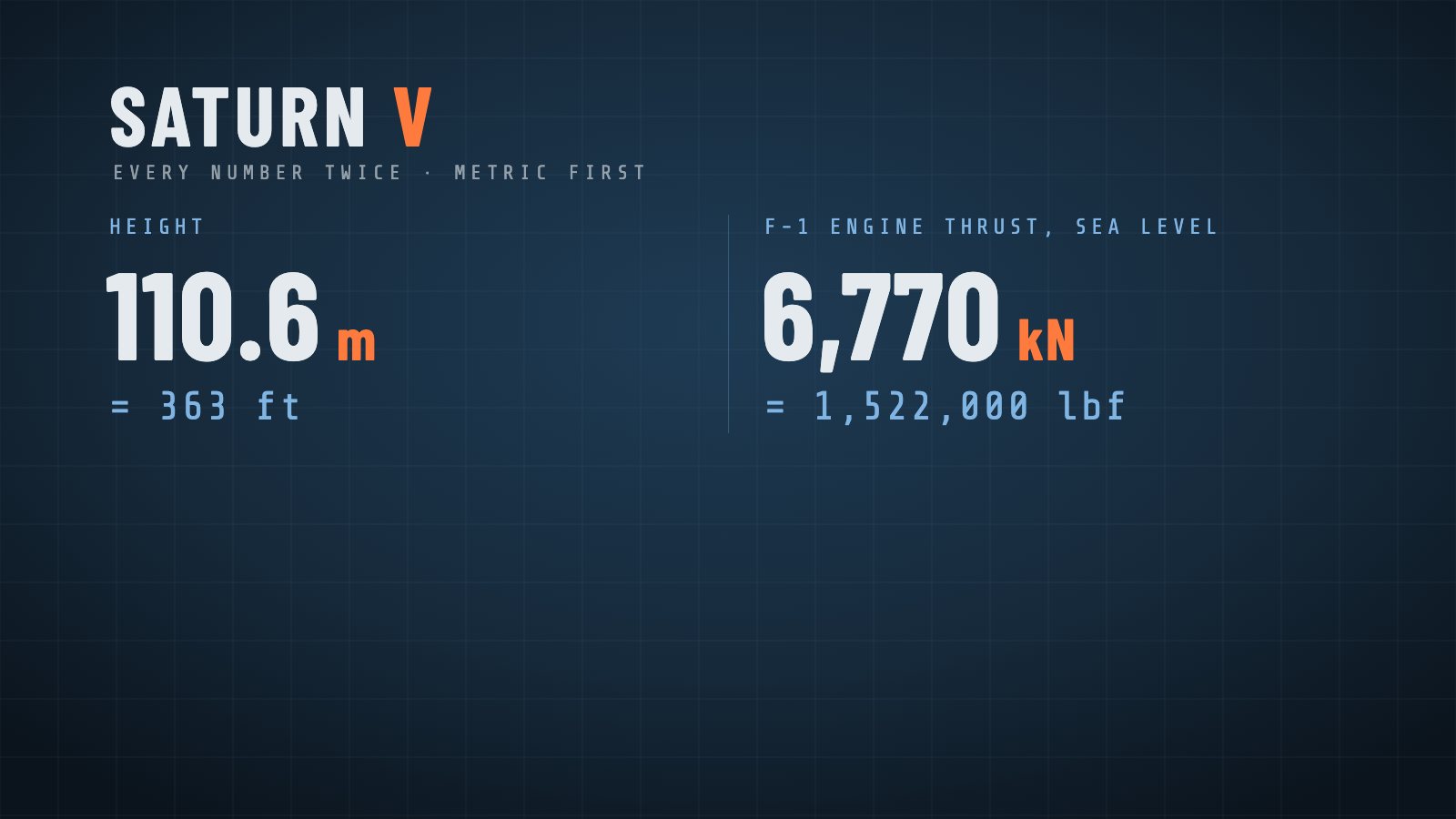
Metres and feet, kilonewtons and pounds of thrust, km/h and mph — metric first, both on screen, every time.
The rules / every film
The real engineering is dramatic enough. Our job is to get it right.
Every description lists its sources — with publication details.
We say what is not known, instead of guessing.
Illustration is marked as illustration. AI reconstructions are made from real photographs and labelled on screen.
Every 3D model and music track is credited by name.
Lost crews are named, and their stories told with respect.
Coming next / in production
Which spacecraft should we take apart next? Tell us in the comments.
Subscribe on YouTube
New films regularly, in English and German. Subscribe — and see how they really work.